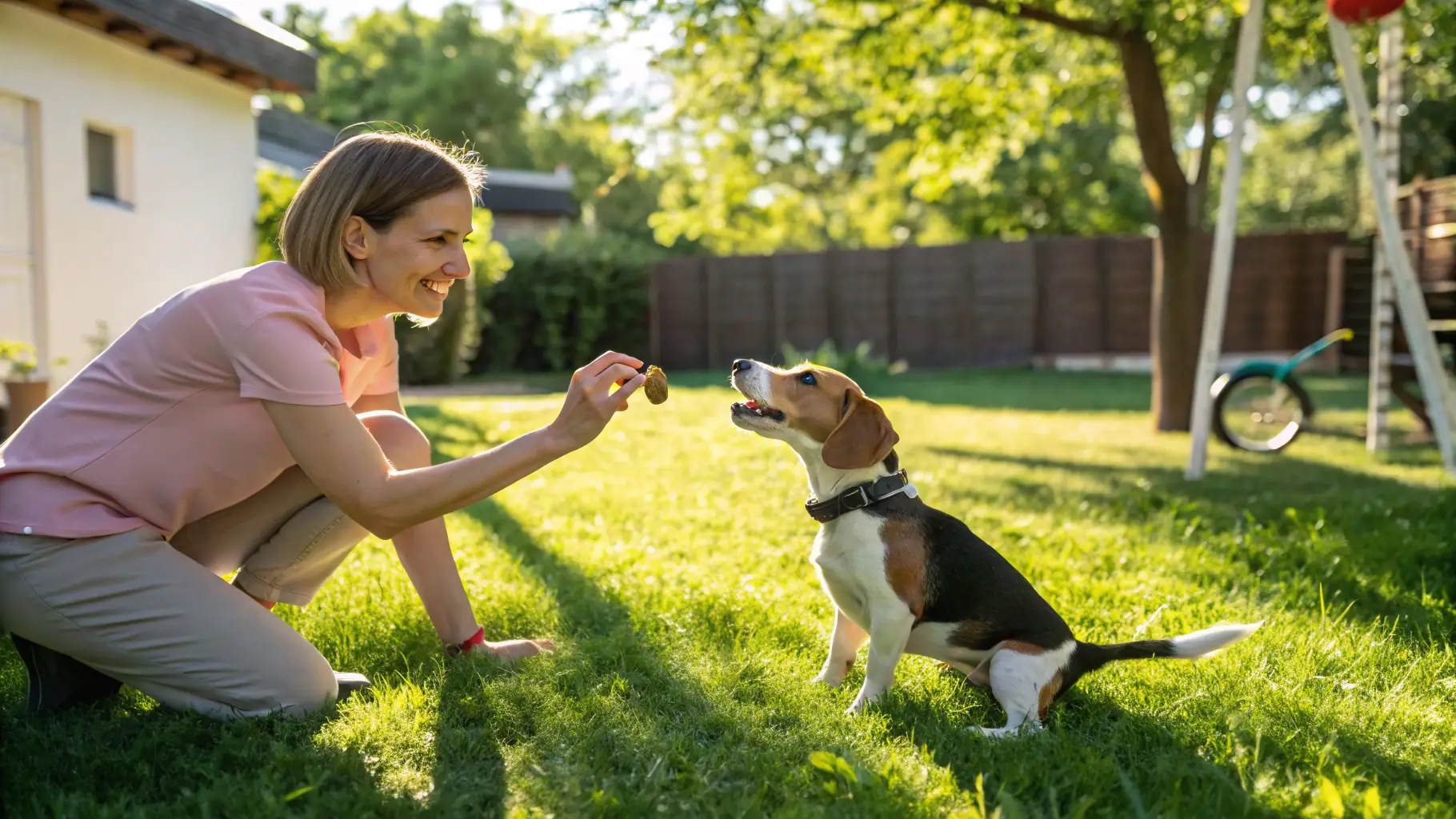

Understanding your dog’s body language is essential for effective training and building a strong bond. Pay close attention to subtle cues like tail wags, ear positions, and facial expressions. A wagging tail doesn’t always mean happiness; context is key. A stiff posture and narrowed eyes might indicate fear or aggression. Different breeds and individual dogs may exhibit unique body language. For example, a relaxed posture with a loose tail might indicate contentment, while a tucked tail and lowered head could signal anxiety. Learning to recognize these nuances will help you anticipate potential issues and respond appropriately. By observing your dog’s body language, you can better understand their needs and adjust your training methods accordingly. This knowledge allows you to prevent misunderstandings and create a more positive and productive training experience. Remember, consistent observation and understanding are key to building a strong relationship with your canine companion.

The Importance of Patience in Dog Training
Patience is a crucial element in dog training, allowing for a positive and effective learning